Lighting Exporters Face a Major Compliance Challenge
Starting in May 2026, the revised Energy Performance of Buildings Directive (EPBD) entered its full implementation phase across the European Union. Combined with the Ecodesign for Sustainable Products Regulation (ESPR), which had already come into force and extends regulatory requirements to the entire product life cycle, these two regulations are fundamentally reshaping the compliance framework for Chinese lighting products exported to the EU.
"This is the first—and undoubtedly the most urgent—compliance challenge facing Chinese lighting exporters this year," commented a senior industry expert. "The mandatory requirements introduced by the EPBD have effectively overturned the traditional assumption that a lighting product can enter the EU market simply by meeting individual product compliance standards."
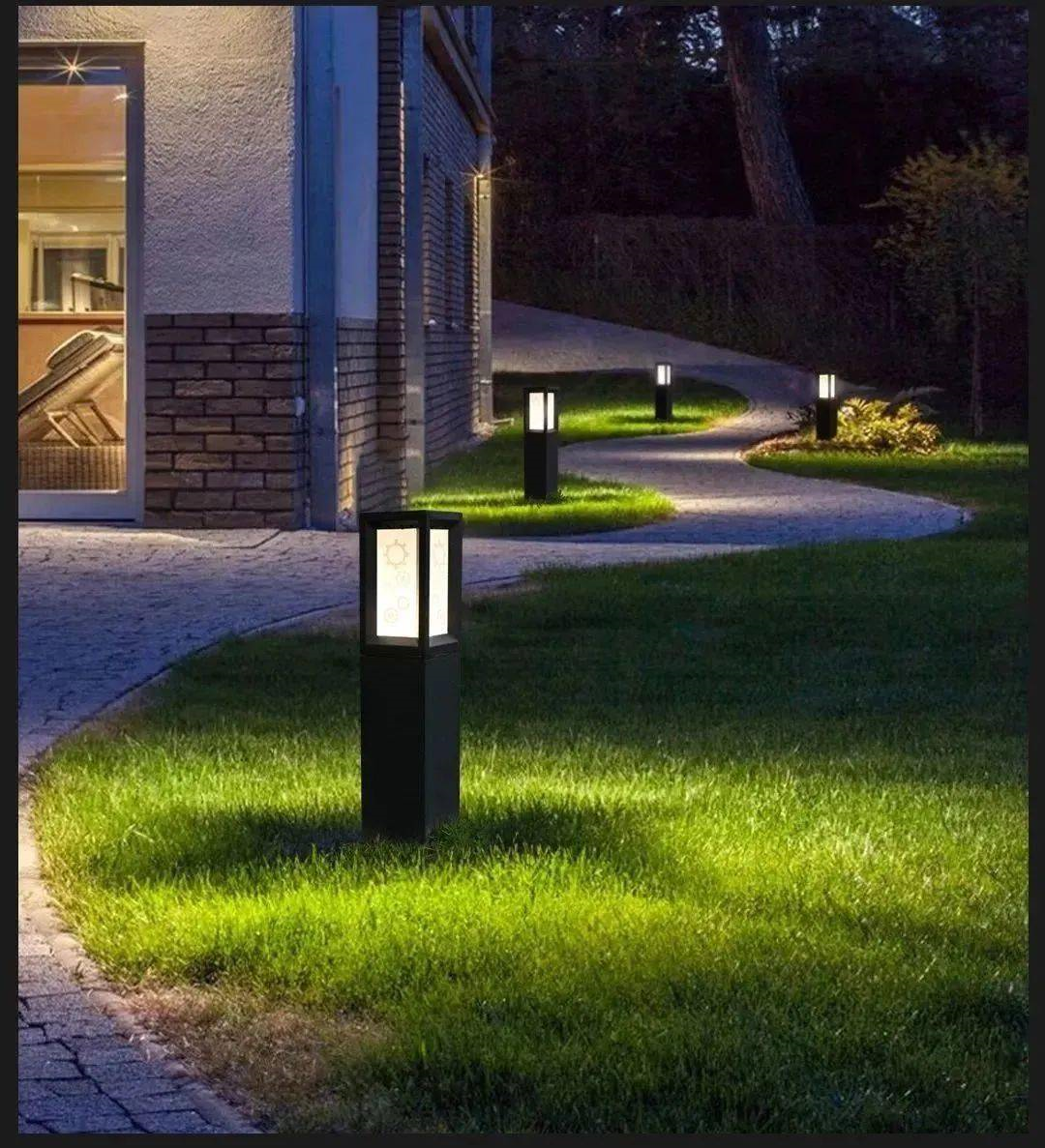
New Regulations Require Lighting Products to Be "Connected and Integrated": The Regulatory Logic Behind the End of Standalone Products
According to industry sources, the revised Energy Performance of Buildings Directive (EPBD) introduces a clear and far-reaching requirement: all new commercial buildings in the European Union must be equipped with automatic lighting control systems and building automation systems (BAS). This provision transforms smart lighting from an optional value-added feature into a mandatory component of all new commercial construction projects.
Under the new framework, lighting products are no longer regarded as standalone luminaires. Instead, they must be designed with built-in connectivity and interoperability, enabling seamless integration into a building's intelligent management system. This allows functions such as occupancy-based lighting control, daylight harvesting, energy monitoring, and intelligent energy management.
From a technical perspective, manufacturers are required to ensure compatibility with standardized communication technologies, particularly the EU's Smart Readiness Indicator (SRI) framework and globally recognized communication protocols such as Matter. On the driver side, products must comply with the mandatory D4i Gen 2 requirements. In addition to supporting DALI dimming, LED drivers must meet the energy metering and diagnostic capabilities specified in DALI Parts 250–253. Furthermore, drivers must be installed independently, utilize pluggable terminal connections, and must not share the same thermal path as the LED module.
By making automatic lighting control a mandatory requirement rather than an optional enhancement, the EPBD fundamentally changes the role of lighting products. Luminaires are no longer independent devices that can simply be installed or replaced—they are now required to function as integral endpoints within a building automation ecosystem.
The regulatory rationale is straightforward. Buildings account for approximately 40% of the European Union's total energy consumption, with lighting representing one of the largest electricity loads. Through mandatory connectivity and system-level control, sensors can optimize lighting operation based on occupancy, daylight availability, and real-time demand, helping new buildings approach nearly zero-energy building (NZEB) performance standards.
As a result, selling a 'smart bulb' that cannot communicate with a building management system no longer satisfies the legal requirements for overall building energy performance. In essence, lighting products are being redefined—from standalone industrial products to core components of a building's energy management system. Regulatory focus is shifting beyond the product itself to its overall contribution to energy efficiency within real-world building applications.
The core principle of the EPBD is not to prohibit standalone lighting products, but to require that luminaires possess system connectivity and interoperability. For Chinese manufacturers, this means redefining products from being driven by lighting performance specifications to being defined by data interface capabilities—from selling hardware to providing fully integrated, intelligent data nodes.
Window of Opportunity Narrows for SMEs: Prioritize Upgrading the "Core" Before the Protocol Stack
With the revised Energy Performance of Buildings Directive (EPBD) now fully in force, many small and medium-sized lighting manufacturers that still focus on basic smart lighting products or retrofit light sources are facing mounting pressure. Industry experts warn that products lacking intelligent control capabilities and system integration compatibility will be excluded from the EU's new commercial building market—even if they fully comply with requirements for luminous efficacy and energy efficiency. In other words, products that cannot connect to building automation systems risk being removed from mainstream procurement lists.
For new commercial building projects, the transition window has largely closed. However, opportunities still exist for companies willing to adopt a practical and phased compliance strategy.
The full implementation of the EPBD marks the end of the industry's trial-and-adjustment period. Compliance efforts must now move beyond planning to actual product deployment. Given limited R&D budgets, experts recommend that SMEs prioritize upgrading LED drivers rather than investing heavily in developing proprietary communication protocol stacks.
Replacing existing drivers with models that comply with EU energy efficiency requirements and provide basic networking interfaces offers a more cost-effective entry point. As the core component of a lighting product, the driver upgrade enables manufacturers to quickly meet essential energy performance requirements while reserving interfaces for future integration with intelligent lighting control systems. This staged approach helps companies avoid large upfront investments and reduces pressure on cash flow. Once experience with regulatory compliance has been established, manufacturers can progressively expand into protocol adaptation, system interoperability, and other advanced functions.
According to industry analysts, the most practical roadmap for SMEs is straightforward. First, adopt D4i-certified LED drivers to ensure products meet the minimum market entry requirements ("Can the product be sold?"); Then, add standardized external communication modules to achieve system connectivity ("Can the product be connected?").
Attempting to develop an entire communication protocol stack in-house is generally considered unrealistic for smaller manufacturers, as this requires substantial investment and is typically the domain of large industry leaders.
The key compliance requirement of D4i Gen 2 lies in the LED driver itself. Without a D4i-certified driver, a lighting product may not even qualify for market access. By contrast, communication protocols are primarily software-layer issues that can often be addressed through partnerships with third-party platforms or by integrating modular communication solutions, significantly reducing development costs.
Meanwhile, retrofit light sources continue to offer business opportunities in the renovation of existing buildings. Since the EPBD generally imposes less stringent requirements on refurbishment projects than on new construction, this segment remains accessible to many SMEs. Industry experts recommend collaborating with domestic LED driver manufacturers that have already obtained EU compliance certifications and adopting their COB or modular driver solutions with standardized networking interfaces. This enables manufacturers to meet the fundamental hardware requirements for connectivity and communication in the shortest possible time while preparing for broader compliance in the future.
Market Signals Under the New Regulatory Framework: Compliance-Based Market Selection Has Begun
If the Energy Performance of Buildings Directive (EPBD) evaluates a product's smart capabilities and system interoperability, the Ecodesign for Sustainable Products Regulation (ESPR) extends compliance requirements across the entire product life cycle. Under the ESPR, manufacturers are required to disclose the environmental impact of their products throughout every stage—from raw material extraction and manufacturing to transportation, use, and end-of-life recycling. This introduces another significant compliance challenge for Chinese lighting exporters.
According to China's customs data for the first quarter of 2026, total lighting product exports reached approximately USD 11.4 billion, representing a 3.5% year-on-year decline. Exports to the United States fell noticeably, while exports to the European Union grew 8% against the overall downward trend. Meanwhile, a survey conducted during the Hong Kong International Lighting Fair (Spring Edition), which concluded on April 23, revealed that nearly half of respondents expect sales to increase over the next two years. Consumers are also willing to pay an average premium of nearly 30% for smart lighting products.
These figures suggest that the European market is not contracting—it is becoming more selective. The challenge is no longer weakening demand, but increasingly stringent market entry requirements. Companies that complete their transition toward smart, standardized, and sustainable products ahead of competitors are likely to secure a larger share of the market during the next phase of industry restructuring.
Industry analysts expect the lighting sector to evolve into a three-tier competitive landscape: Leading enterprises will capitalize on their certifications, technological strengths, and established distribution networks to benefit from a "compliance dividend." Mid-sized companies will focus on specialized application segments or position themselves as component and solution suppliers within broader industry value chains. Many small and medium-sized enterprises (SMEs) will either withdraw from the EU's new commercial building market and shift toward renovation projects or emerging markets, or become integrated into the supply chains of larger manufacturers.
However, this does not imply that the industry will evolve into a fully monopolized "winner-takes-all" market. SMEs with strong expertise in niche applications or specialized lighting technologies can still establish sustainable competitive positions through precise product positioning and differentiated solutions.
Looking ahead, the lighting industry is expected to continue evolving toward greater regulatory compliance, deeper system integration, and stronger product differentiation, with these capabilities becoming the key drivers of long-term competitiveness.