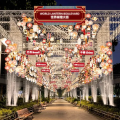
2026 China LED Lighting Industry Report
LED lighting refers to light-emitting diode (LED) lighting, a technology based on semiconductor solid-state light-emitting devices. It uses solid-state semiconductor chips as the light-emitting material. When charge carriers recombine within the semiconductor, excess energy is released in the form of photons, directly producing light in various colors, including red, yellow, blue, green, cyan, orange, purple, and white.
Today, LED lighting has evolved far beyond conventional illumination and is widely applied across numerous fields, including traffic signal lights, automotive lighting, backlighting, landscape lighting, specialized task lighting, military applications, and various consumer and industrial products such as toys, gifts, and light-industrial goods.
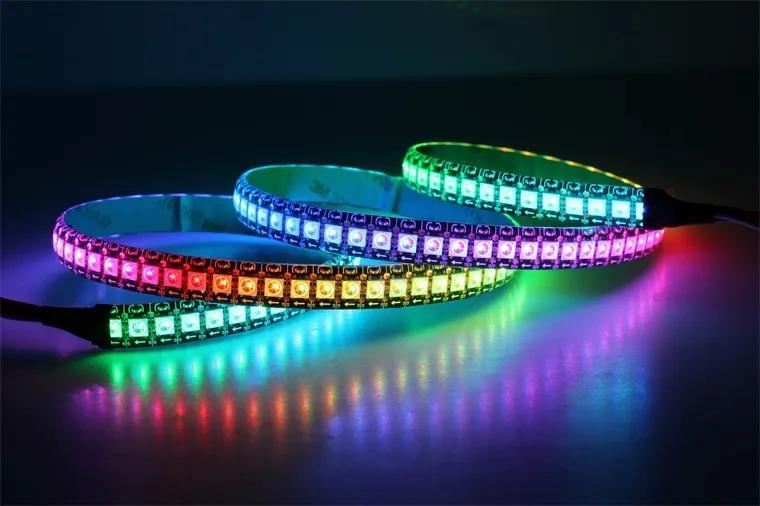
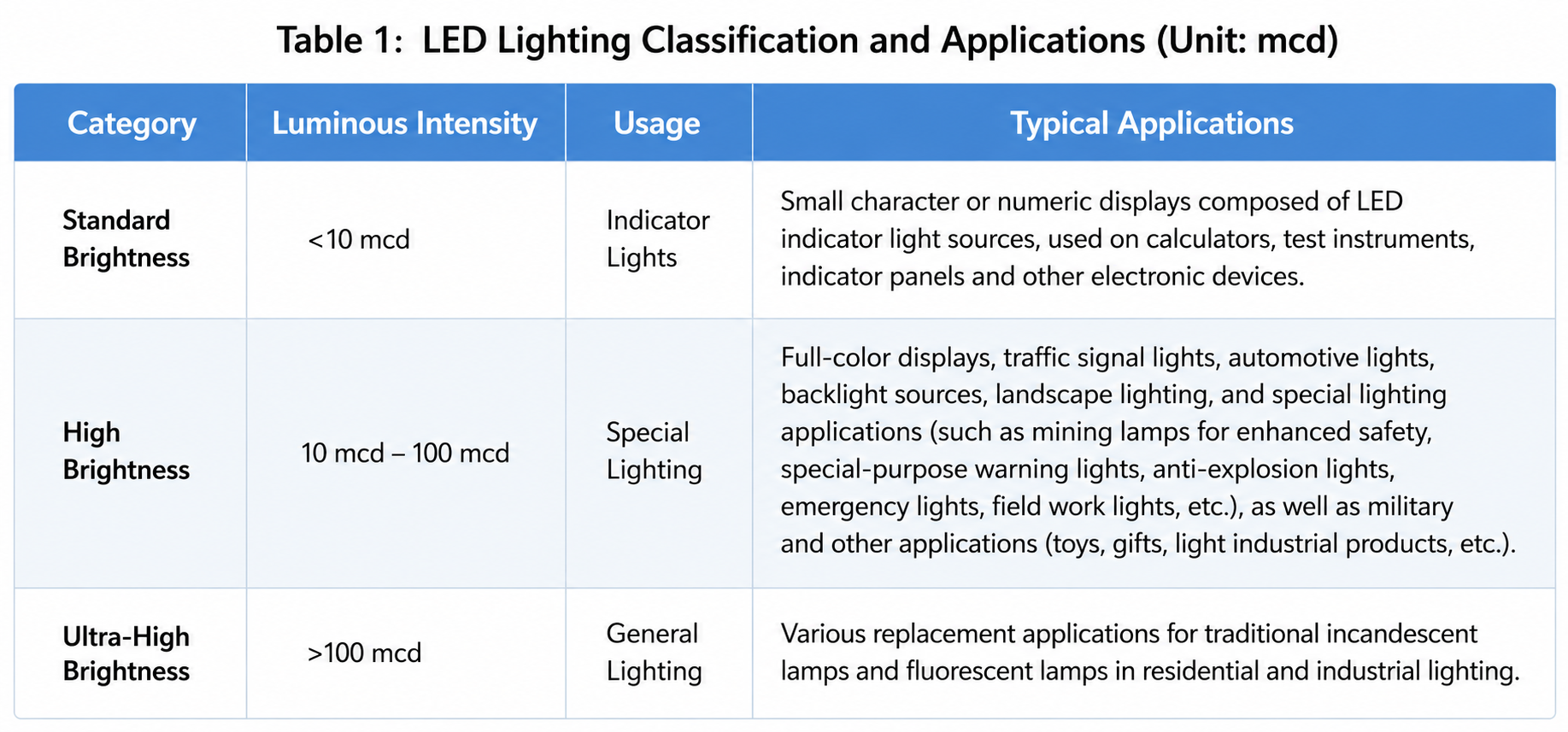
LED lighting is generally divided into two major categories: general lighting and specialty lighting. As LED luminous efficacy and light intensity continue to improve, LED technology has expanded deeper into specialty lighting applications and is gradually entering the general lighting market. The application range of LED lighting is primarily determined by the luminous intensity of LED chips (mcd, millicandela) and their luminous efficacy (lm/W, lumens per watt). In general, higher luminous intensity and greater luminous efficacy enable LEDs to be used across a broader range of applications.
LED chips can be classified by luminous intensity into three categories: standard-brightness LEDs, high-brightness LEDs, and ultra-high-brightness LEDs. LEDs with a luminous intensity of less than 10 mcd are generally classified as standard-brightness LEDs; those with luminous intensity between 10 and 100 mcd are considered high-brightness LEDs; and those with luminous intensity of 100 mcd or above are classified as ultra-high-brightness LEDs. Standard-brightness LEDs are mainly used for indicator lights, high-brightness LEDs are primarily used in specialty lighting, while ultra-high-brightness LEDs can also be applied to general lighting.
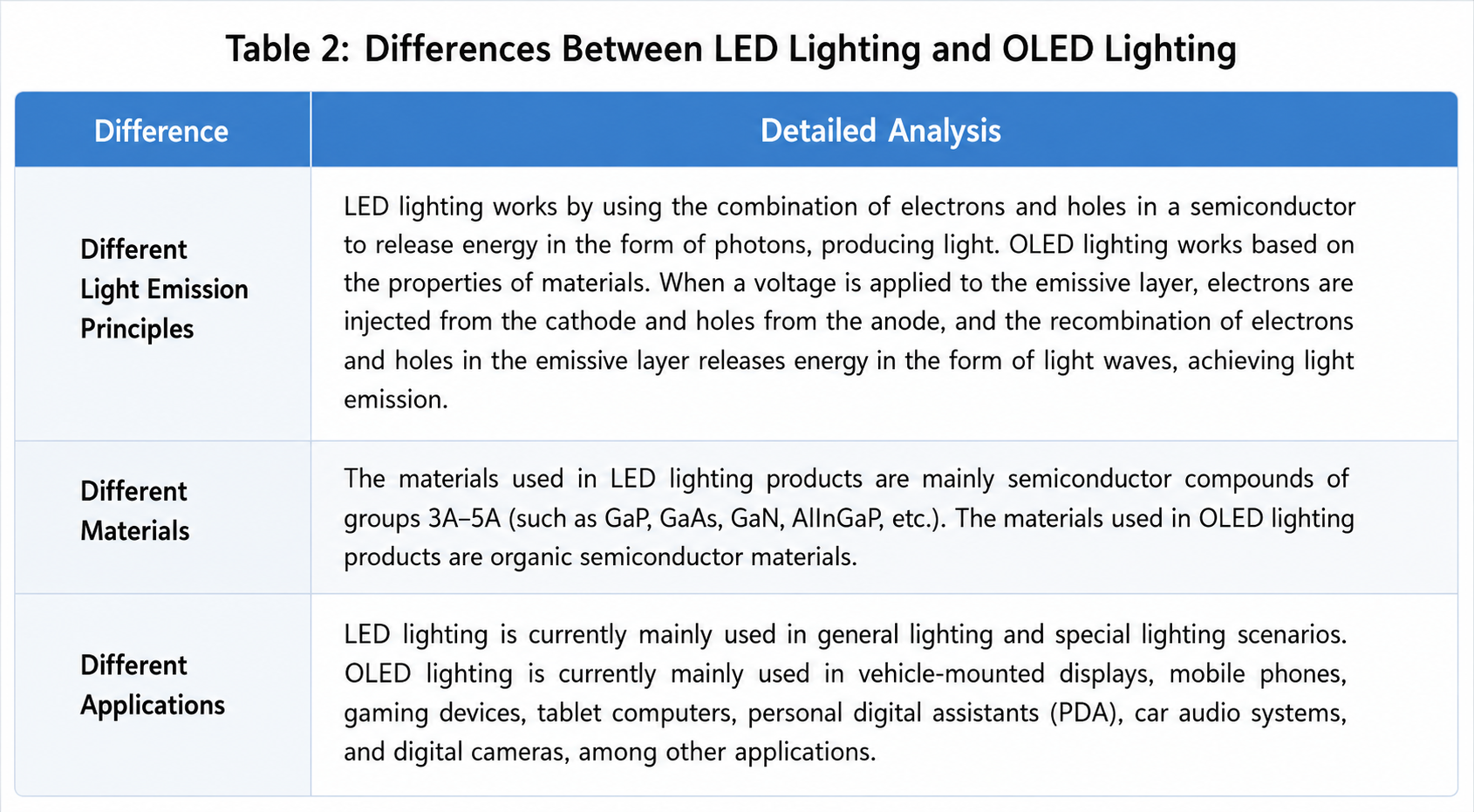
OLED lighting (Organic Light-Emitting Diode) is a form of organic electroluminescent technology, also known as organic electroluminescence (OLED) or organic light-emitting semiconductor technology. The differences between LED lighting and OLED lighting can be analyzed in detail as follows:
Industry Chain Analysis
The LED lighting industry has a clear division of roles across the upstream, midstream, and downstream segments. The upstream segment focuses on raw materials and core technologies. Starting with substrate materials such as silicon carbide, the process involves the production of epitaxial wafers and LED chips, together with supporting materials such as phosphors and gold wires. This segment represents the technological core of the LED industry chain. The midstream segment builds on upstream technologies to complete LED packaging and LED module manufacturing, transforming semiconductor chips into usable optoelectronic components. As the key link connecting upstream and downstream industries, it plays an important role in converting core LED technologies into practical products.
The downstream segment focuses on end-use applications and covers a broad range of scenarios. It can be broadly divided into general lighting, including retail stores, residential spaces, hotels, offices, and municipal lighting, and specialty lighting, including emergency lighting and automotive lighting. Ultimately, downstream companies bring LED lighting products to end users and the broader consumer market.
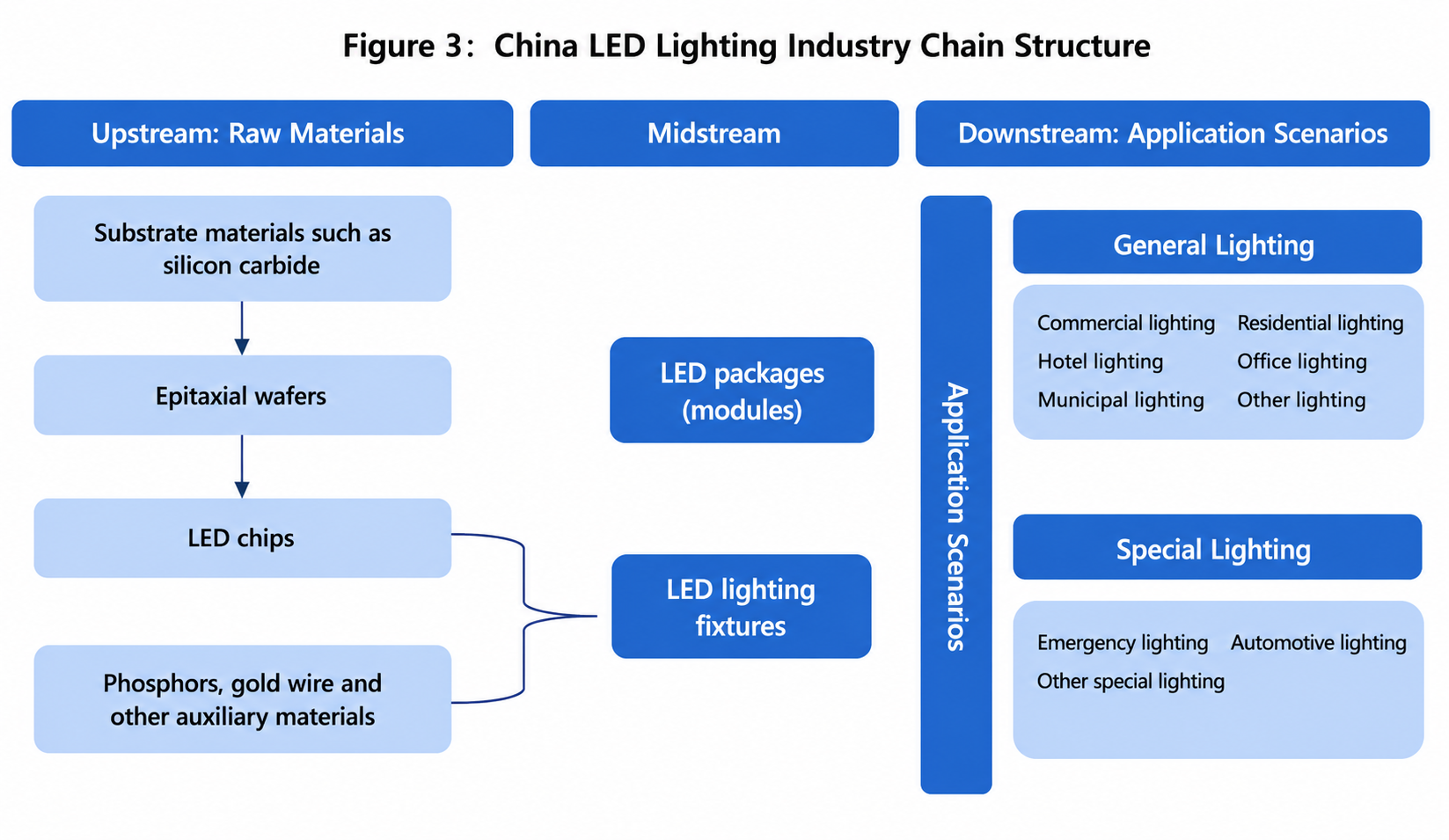
China’s LED lighting industry has established a comprehensive and increasingly integrated industrial chain, with coordinated development across the upstream, midstream, and downstream segments.
The upstream segment, covering substrate materials, epitaxial wafers, and LED chips, is led by major companies such as San’an Optoelectronics, HC SemiTek, and Qianzhao Optoelectronics. Companies including SICC Materials and Lattice Technology provide supporting capabilities in substrate materials, while GRINM Advanced Materials and other manufacturers contribute to the supply of auxiliary materials. The localization of key technologies and components continues to improve, strengthening the resilience of China’s domestic LED supply chain.
The midstream LED packaging segment is represented by companies such as MLS (MulanSen). Benefiting from large-scale production capacity and cost advantages, leading manufacturers maintain strong market positions, processing upstream LED chips into standardized packaged devices for downstream applications.
The downstream segment covers a wide range of applications, encompassing both general lighting and specialty lighting, with products serving increasingly diverse markets and end-use scenarios.
Industry Development History
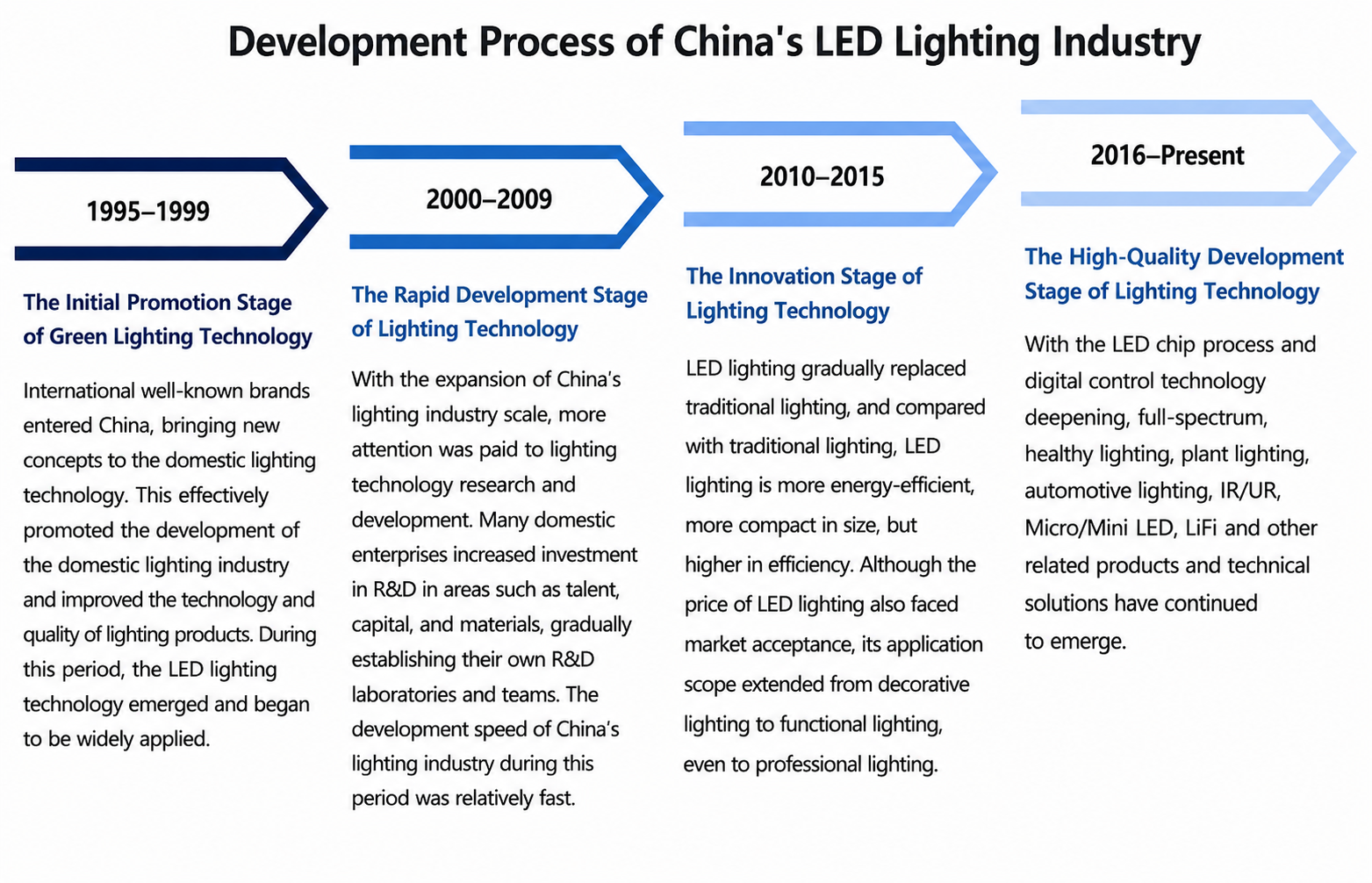
China’s LED lighting industry has evolved alongside continuous advances in technology. Following the entry of international lighting brands into the Chinese market in 1995, lighting technologies began to gain widespread adoption and the domestic industry entered a period of rapid growth. Starting in 2009, China’s LED industry began rapidly extending upstream from the application end of the value chain, leading to the development of domestically developed LED chips with independent intellectual property rights.
Since 2016, China’s LED lighting technology has reached a new level of development, with a growing range of innovative products and technology solutions emerging, including full-spectrum lighting, healthy lighting, horticultural lighting, automotive lighting, IR/UV applications, Micro LED/Mini LED, and LiFi. These technological advances have continued to expand the application boundaries of LED lighting and accelerate the industry's transition toward higher-value and more specialized applications.
Policy Background
At the national level, policies governing China’s LED lighting industry are guided by the 15th Five-Year Plan, supported by multiple strategic initiatives, including carbon peaking and carbon neutrality, building energy efficiency, digital transformation, and livelihood-oriented projects.
Mandatory national standards, such as the Minimum Allowable Values of Energy Efficiency and Energy Efficiency Grades for LED Products for Indoor Lighting, are raising energy-efficiency entry requirements, expanding product coverage, and introducing additional controls over standby power consumption. These measures are complemented by supporting policies such as fiscal subsidies, R&D incentives, and green certification programs.
Meanwhile, the adoption of high-efficiency, smart, and healthy LED lighting is being accelerated across a wide range of applications, including schools, municipal infrastructure, cultural and tourism projects, transportation facilities, and the renovation of aging residential communities.
Overall, these policies are driving China’s LED lighting industry away from a growth model centered primarily on scale expansion and toward green, intelligent, and high-end development, supporting the industry's transition to higher-quality and more sustainable growth.
Current Industry Development
The Industry Is Shifting Toward Competition in Technology, Quality, and Brand
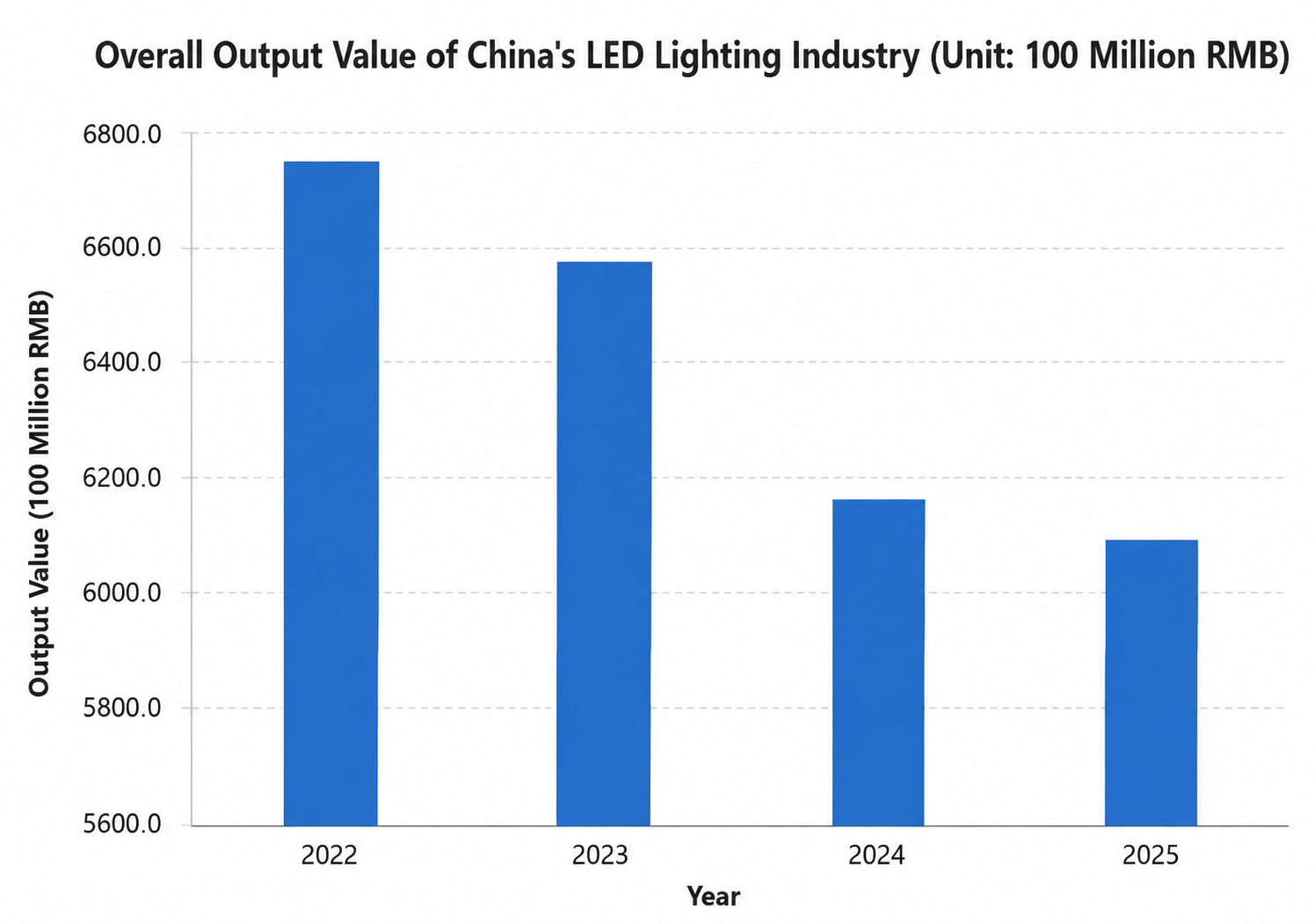
In 2025, China’s lighting industry generally maintained a stable development trend with a slight decline in overall output but continued improvements in quality and efficiency. The total output value of China’s LED lighting industry reached approximately RMB 609.3 billion, representing a modest year-on-year decline of 1.1%. Meanwhile, the lighting electrical appliance industry recorded an overall market scale of approximately RMB 580 billion, remaining broadly stable compared with the end of the 13th Five-Year Plan period, with only a slight decrease.
This change in market size does not indicate that industry growth has stagnated. Rather, it reflects the industry's deliberate shift away from extensive, scale-driven expansion toward higher-quality development. It marks a fundamental change in the competitive landscape, with companies increasingly moving away from competing primarily on scale and price toward competing on technology, product quality, and brand strength.
Differentiated Performance Across Segments of China’s LED Lighting Industry Chain
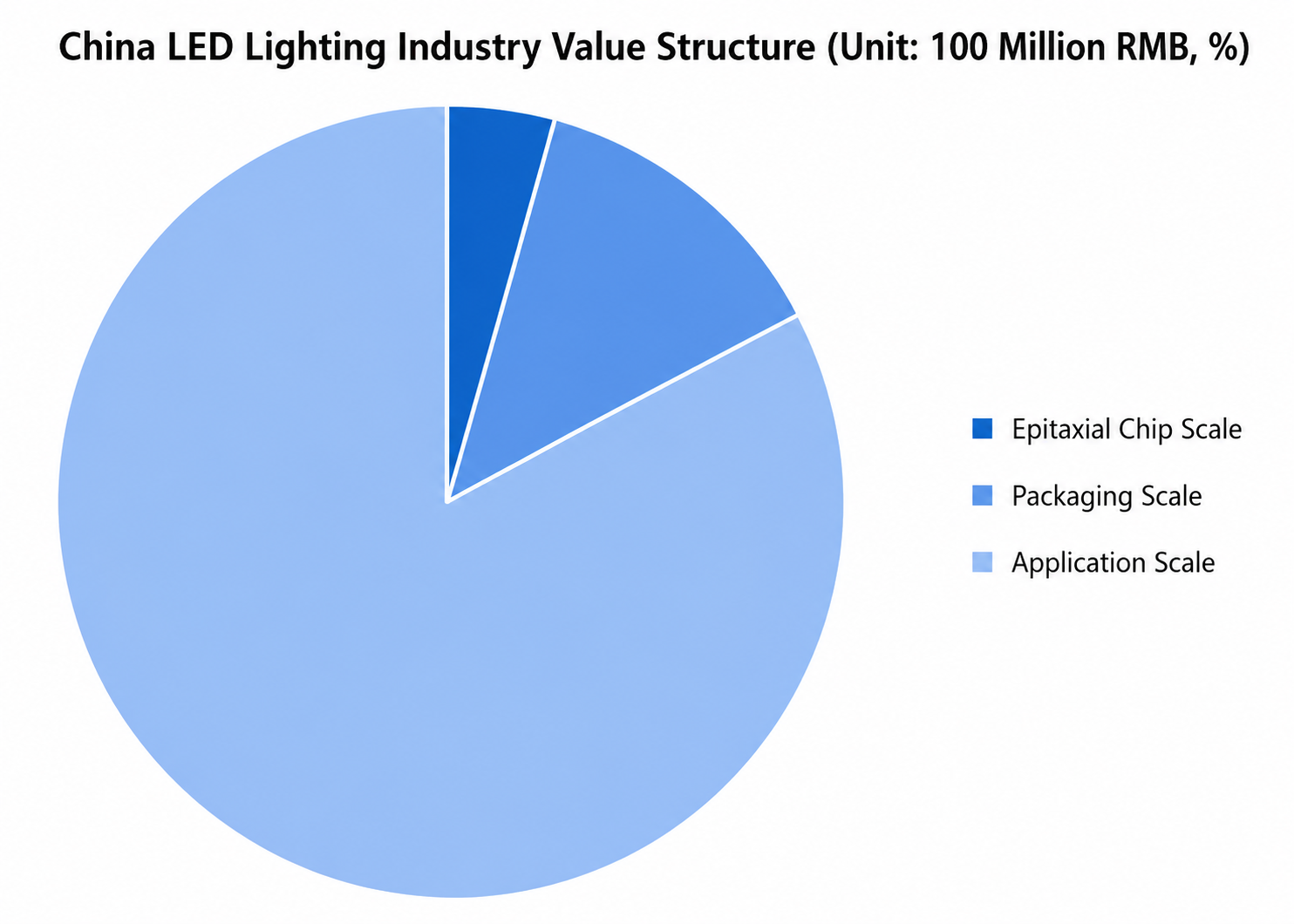
From an industry structure perspective, the various segments of China’s LED lighting industry chain showed differentiated performance in 2025. The upstream epitaxial wafer and LED chip segment recorded an output value of approximately RMB 26.8 billion, down 11% year on year. The midstream LED packaging segment reached approximately RMB 76.9 billion, representing a 1.8% year-on-year decline. Meanwhile, the downstream application segment remained relatively stable, supported by emerging applications, with an output value of approximately RMB 505.6 billion, down only 0.4% year on year.
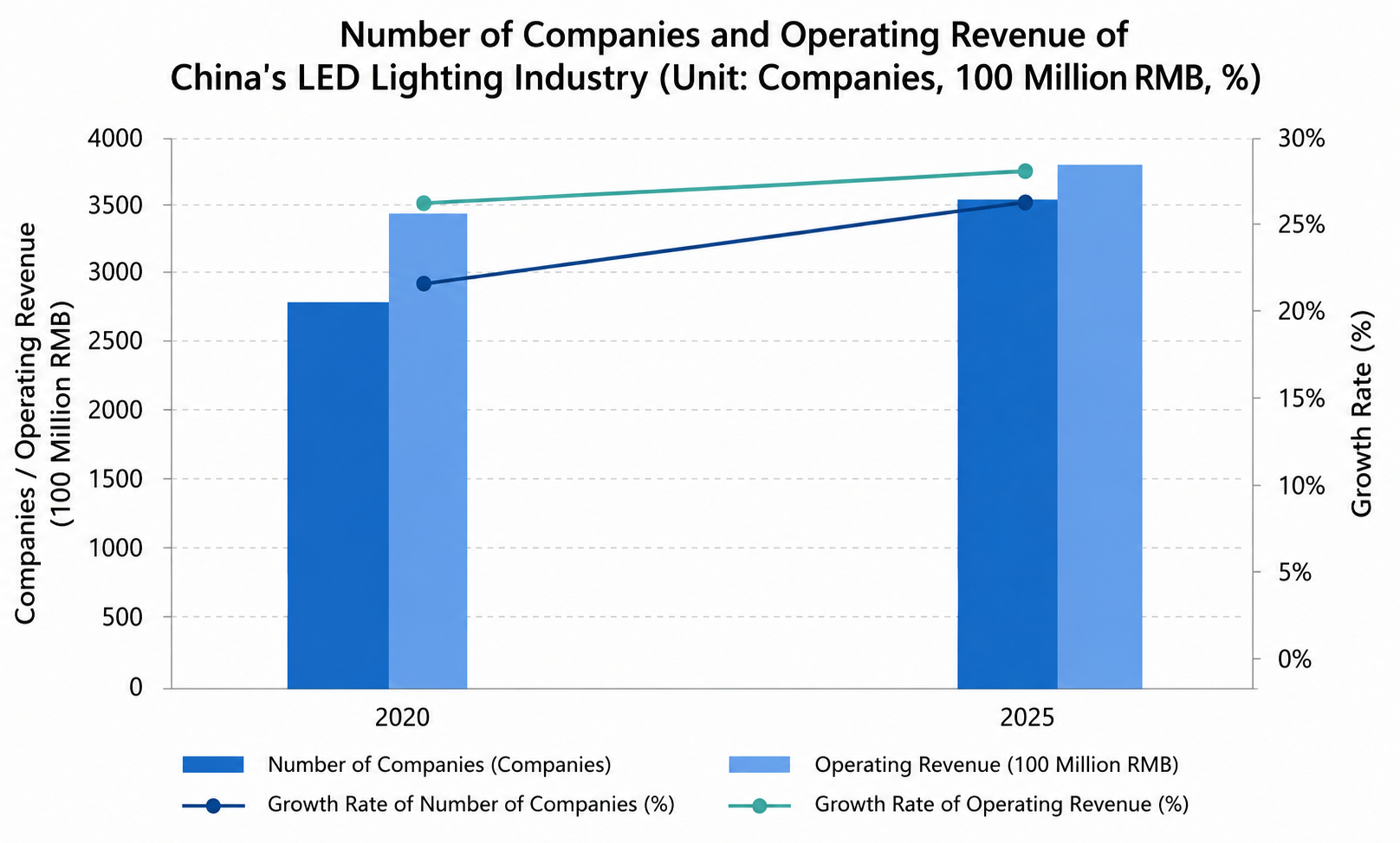
Growth in the Number of Above-Designated-Size LED Lighting Enterprises in 2025
In 2025, China’s above-designated-size LED lighting enterprises served as a key stabilizing force for the industry. By the end of 2025, the number of above-designated-size enterprises in the sector had exceeded 3,600, representing a 28% increase compared with the end of the 13th Five-Year Plan period. Combined revenue exceeded RMB 380 billion, an increase of more than 10% over the same period.
This growth reflects the continued increase in industry concentration. The complementary “dual-engine” effect of leading companies and specialized, high-quality SMEs that emerged in 2024 became even more pronounced in 2025. Leading companies strengthened their ability to integrate the industrial chain, while small and medium-sized enterprises continued to innovate within specialized market segments. The resulting complementarity has become a core source of industry resilience and risk resistance, helping China’s LED lighting sector maintain stability amid a challenging market environment.
Industry Development Trends and Forecast
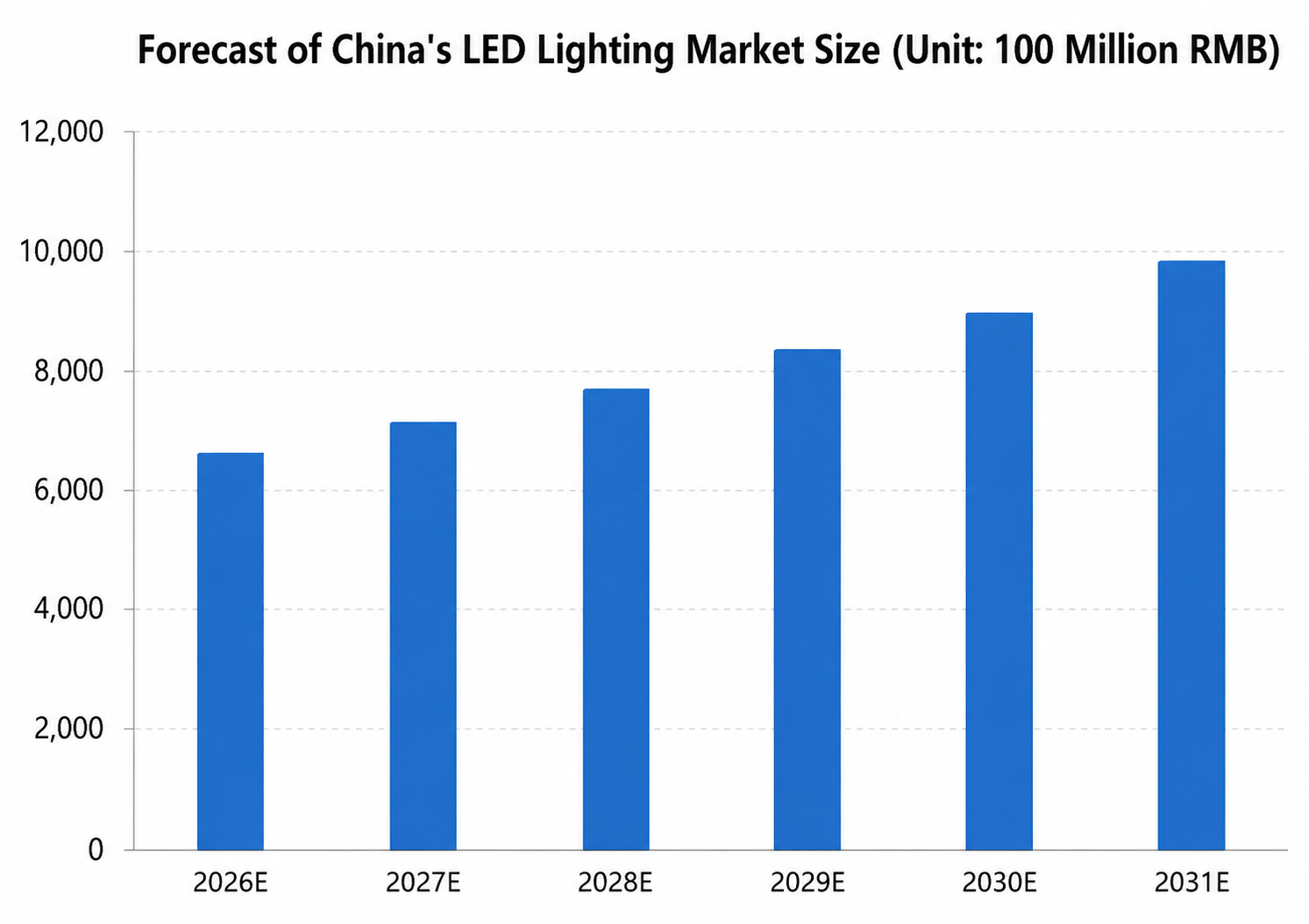
The Market Is Expected to Reach RMB 988.6 Billion by 2031
Over the next five years, the combined impact of technological innovation and policy support is expected to create significant structural growth opportunities for China’s LED lighting industry. During the 15th Five-Year Plan period, segments such as smart lighting, healthy lighting, automotive lighting, professional lighting, new display technologies, UV LEDs, and horticultural lighting are expected to accelerate their development. At the same time, innovative “Lighting+” applications are likely to break through traditional industry boundaries and unlock new sources of market growth.
Driven by three major forces—low-carbon technology upgrades, deeper digital transformation, and accelerating consumption upgrades—Chinese LED lighting companies are increasingly moving into high-value-added markets. This is expected to further strengthen and expand China’s competitive advantages in the global LED lighting industry. China’s LED lighting market is projected to reach approximately RMB 988.6 billion by 2031, representing an estimated compound annual growth rate (CAGR) of 8.4% from 2026 to 2031.
New Industry Trend: From Hardware Manufacturing to Ecosystem Integration
In the future, ecosystem integration and value enhancement are expected to become major development trends in the LED lighting industry. Lighting companies are accelerating their expansion into emerging fields such as semiconductors, the Internet of Things (IoT), energy technology, and the low-altitude economy.
This transition will gradually shift the industry's value creation model from the manufacturing and sale of individual lighting hardware toward integrated technologies, interconnected products, and cross-industry solutions, creating new opportunities for long-term growth.